
JSON Prompts Aren’t a Performance Hack
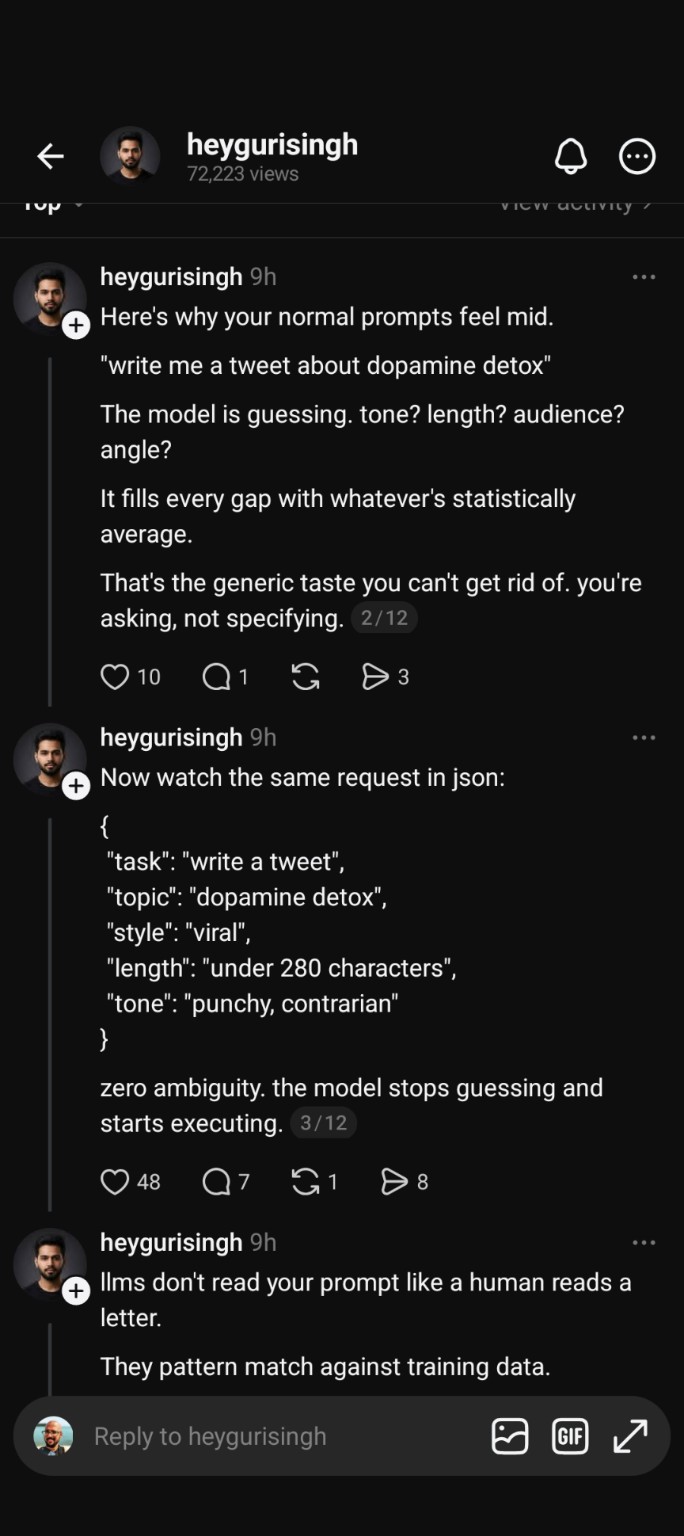
JSON doesn’t make models smarter, faster, or cheaper—it just makes requirements easier to specify and reuse. The real lever is clarity: intent, constraints, and tight control of output length and tokens.

JSON doesn’t make models smarter, faster, or cheaper—it just makes requirements easier to specify and reuse. The real lever is clarity: intent, constraints, and tight control of output length and tokens.

The reservation debate stays stuck because it’s framed as compensation, poverty relief, or a temporary ladder. A representation-and-reach framing treats it instead as institutional design: building a state that serves every stakeholder it governs.

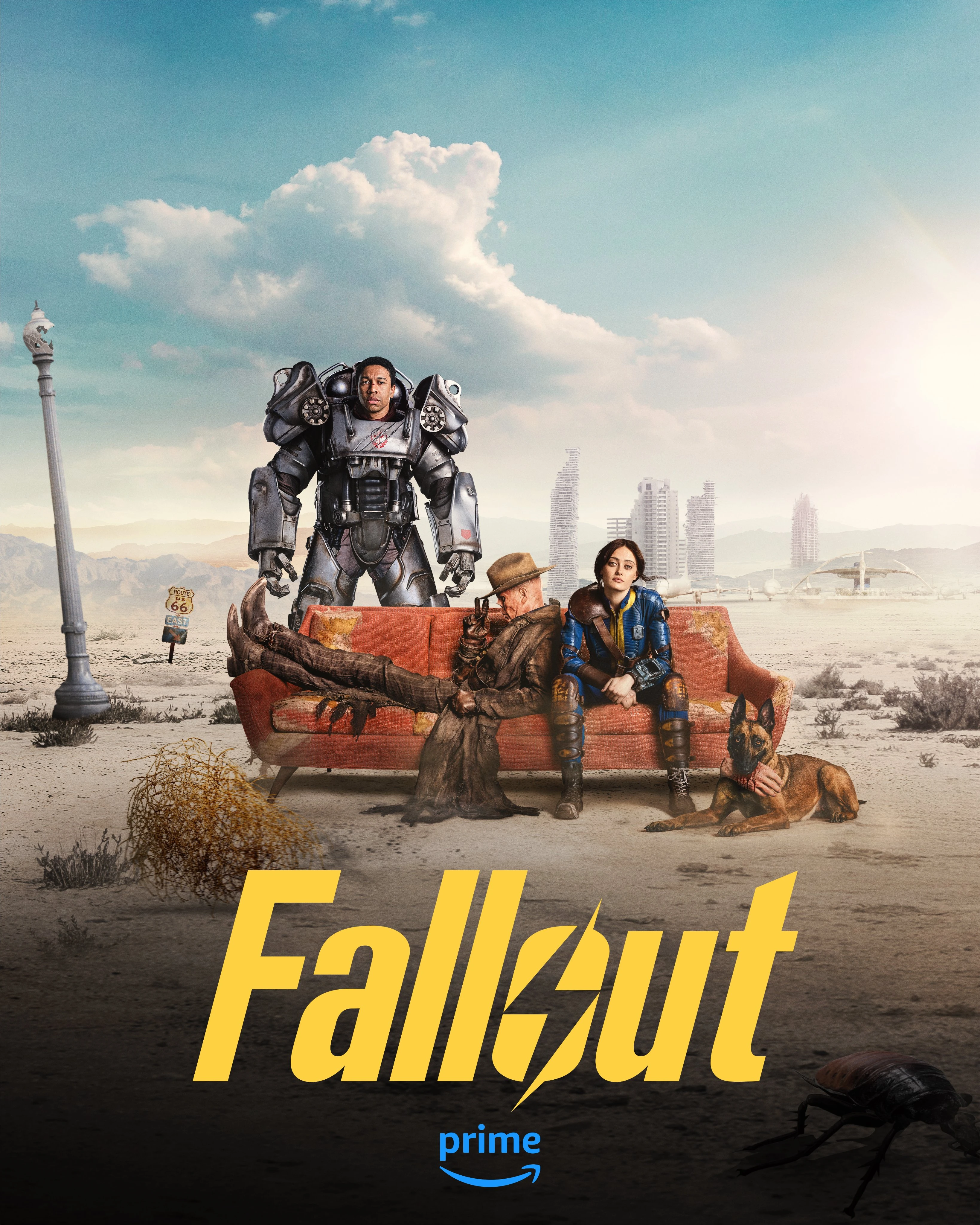
Fallout’s pre-war world suggests prosperity doesn’t automatically reduce extremism—it expands what powerful, insulated factions are capable of attempting. When high capability meets low trust and concentrated power, “total solutions” start to look rational.

The delay at the counter isn’t the espresso—it’s the POS workflow. Customization trees, upsells, loyalty prompts, and multi-channel queues turn even a simple coffee into a careful data-entry process.

States anchor sovereignty in taxation and monetary enforcement. Crypto introduces a parallel value layer that doesn’t require institutional permission. It doesn’t replace fiat—but it changes who gets to define monetary reality.

Modern states justify taxation and regulation as fairness and stability. But beneath the moral language lies an older structural problem: preventing private actors from becoming sovereign in practice. From castles to capital, the tools changed. The anxiety didn’t.

AI can generate drafts in seconds—but authority requires judgment. This tactical pipeline shows how to move from raw AI output to structured, edited, optimized, and ethically published work without lowering your standards.

Raw ChatGPT drafts are clean and coherent—but often generic. This guide shows how to insert stance, lived experience, trade-offs, and consequences into AI-generated content so it builds authority instead of blending into the average internet voice.

ChatGPT defaults to safe, average phrasing—clear but forgettable. This guide breaks down why AI drafts feel generic and gives you a practical refinement workflow to inject constraints, specificity, judgment, and compression before you publish.

AI can draft your blog post in minutes. Ranking it on Google takes another pass. This practical checklist shows you how to optimize AI-generated blog posts for SEO—fixing structure, keywords, internal links, and readability—without keyword stuffing or sounding robotic.

Does Google penalize AI-generated blog posts? Not automatically. What actually gets demoted is low-quality, thin, or spammy content. Here’s what matters in 2026—and how to publish AI-assisted posts without hurting your rankings.

ChatGPT can draft a post in minutes—but raw output often sounds generic, repetitive, and robotic. Here are 7 practical editing techniques to make AI-generated blog posts sound human, specific, and unmistakably yours.

Publishing your own ChatGPT conversations generally isn’t plagiarism—but it can become ethically messy if you misrepresent authorship, echo identifiable source material, or imply expertise you don’t have. The real standard is transparency, editorial ownership, and accountability for what you publish

Want to convert a ChatGPT conversation into a blog post? Here’s a simple step-by-step workflow to turn raw chat threads into clean, publishable articles.

I went to Soul Sante expecting to sell pickles. Instead, I found a version of masculinity that had nothing to do with dominance or income. Standing in front of the stall, absorbing rejection and generating attention, I discovered that clean usefulness feels better than status ever did.

Capitalism optimizes what it can measure—mostly money—while sidelining values that resist clean quantification. A relativistic “accountability layer,” where observers define their own axes and systems structure corporate behavior into events and networks, could add multi-dimensional visibility witho

The “she has a boyfriend” and “she’s out of my league” thoughts often aren’t facts—they’re anxiety in a polite disguise. Reframing attractive strangers as ordinary, flawed humans can dissolve the audition mindset and make conversation feel normal again.

Disinheriting your children in the name of virtue can be a way to outsource parental obligation into public applause. If bringing someone into existence creates an asymmetric moral debt, inheritance looks less like indulgence and more like partial compensation—and control over it can’t be morally pr

Mars absorbs our frontier dreams, but the practical path to a spacefaring civilization points elsewhere: modular, rotating habitats engineered for human life. They scale better than planets, make politics and conflict more local, and turn the solar system into a navigable archipelago of designed wor

Moral blame should track intent, while personal boundaries should track impact. Keeping them distinct reduces coercion, guilt-driven obligation, and the need to invent villains in tragic situations.

Neural nets can resemble nervous tissue structurally, but the organism metaphor smuggles in something crucial: closed-loop, unavoidable stakes. The real shift happens when an agent is embodied, persistent, and forced to treat damage and energy limits as non-optional constraints.

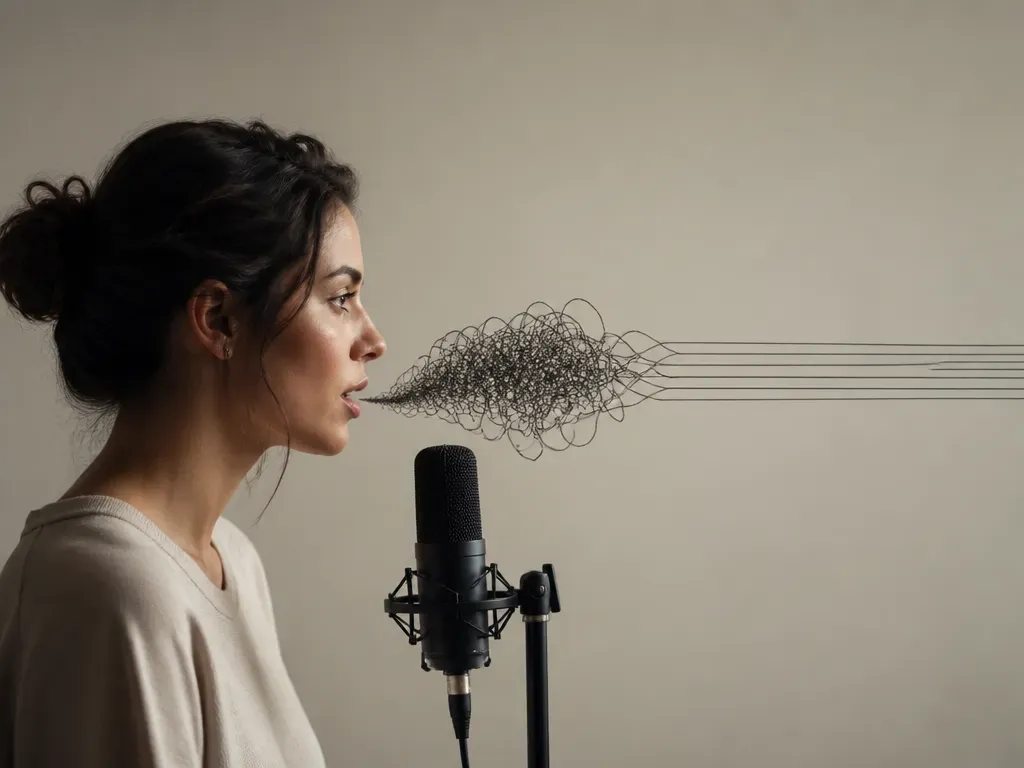
Some rooms offer speakers trust and runway; others make you earn attention immediately. These two “listener defaults” shape what gets rewarded, what gets mocked, and why the same sentence can land as insight or as hype.

India’s public systems often underdeliver not because of a single villain, but because the incentive structure doesn’t treat taxpayers as a decisive constituency. When elections, bureaucracy, and intermediaries can thrive amid weak outcomes, failure becomes stable and repeatable.

By modern European standards, the Russia–Ukraine war is a horror—and by longer historical standards, it’s not close to humanity’s worst. Its defining weight is the kind of conflict it is: industrial attrition under modern surveillance, with a nuclear shadow and precedent-setting stakes.