
Is Coffee Ordering actually a Data Entry Job?
The delay at the counter isn’t the espresso—it’s the POS workflow. Customization trees, upsells, loyalty prompts, and multi-channel queues turn even a simple coffee into a careful data-entry process.
Posted by

Related reading
MCU Thor and Norse Myth: Shared Names, Different Logic
Marvel’s Thor borrows real Norse names and symbols, but swaps the myth’s tone, family ties, and fatalistic cosmology for superhero storytelling. That same “remix” approach is rarer with Indian mythology because it’s a living, devotional tradition with higher cultural and political stakes.
The Odyssey Casting Debate Is a Trust Crisis
The loudest reactions to The Odyssey’s casting aren’t really about diversity or mythic reinterpretation—they’re about audience trust. When studios deny obvious signaling and moralize disagreement, even defensible artistic choices start to read like propaganda.
Abundance Doesn’t Calm Factions It Supercharges Them
Fallout’s pre-war world suggests prosperity doesn’t automatically reduce extremism—it expands what powerful, insulated factions are capable of attempting. When high capability meets low trust and concentrated power, “total solutions” start to look rational.
Why Does Ordering Coffee at Starbucks (and “Third Wave” Cafes) Take Forever?

There’s a specific kind of modern irritation: you walk into a coffee shop wanting a basic drink, and you end up watching the cashier type like they’re submitting a visa application.
I’m not even talking about the drink-making delay. That, at least, has obvious reasons—espresso takes time, milk has to be steamed, food has to be heated, there’s a rush, etc. The part that breaks my brain is the cash counter itself: the long pause, the serious face, the endless tapping on the POS screen… for an order that should take ten seconds.
And yes, this happens in Bangalore too. So it’s not just “slow city” problems. It’s a system problem.
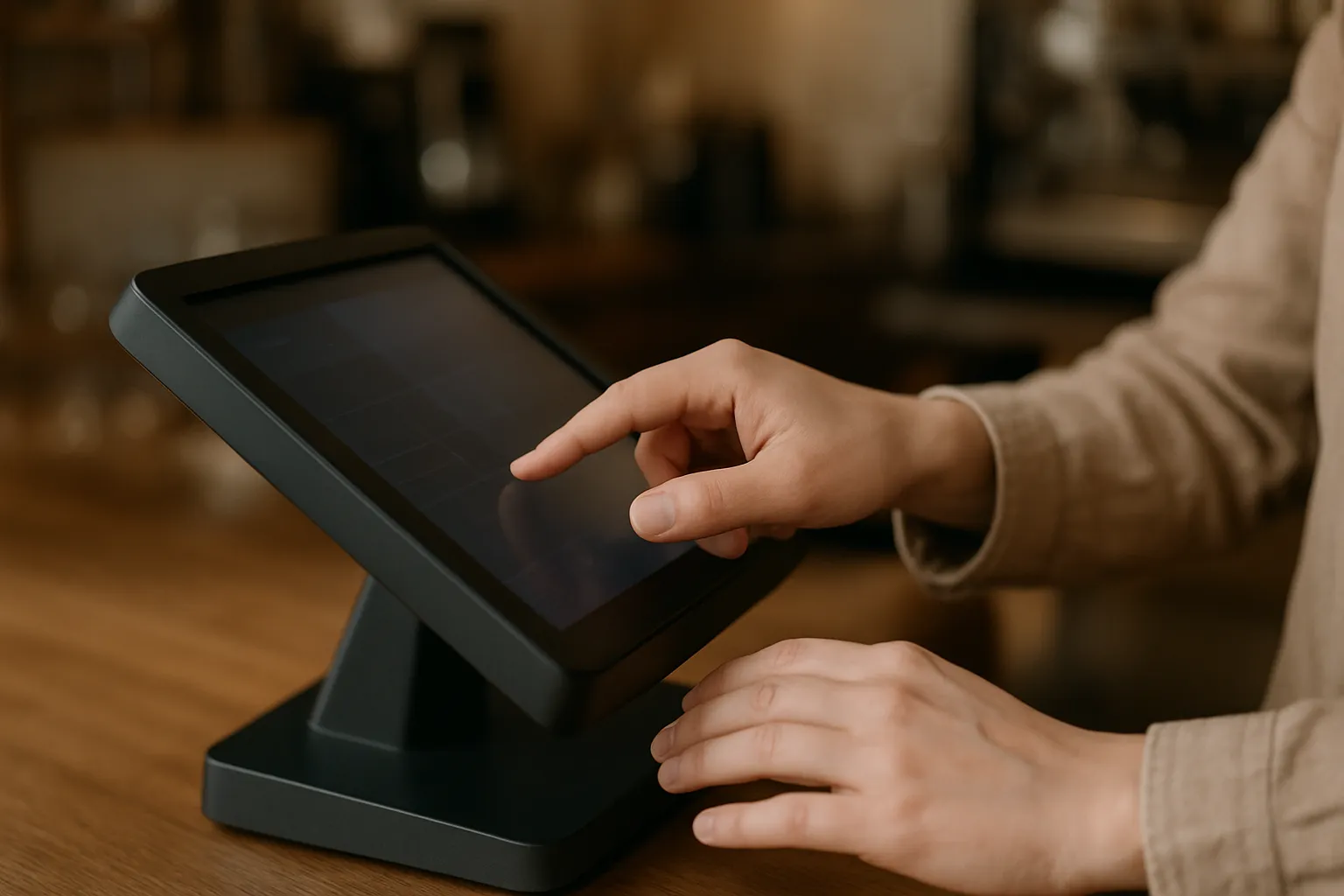
The counter isn’t taking an order. It’s doing data entry.
At places like Starbucks and a lot of “third wave” chains, the counter experience is built around the assumption that every order is a custom object.
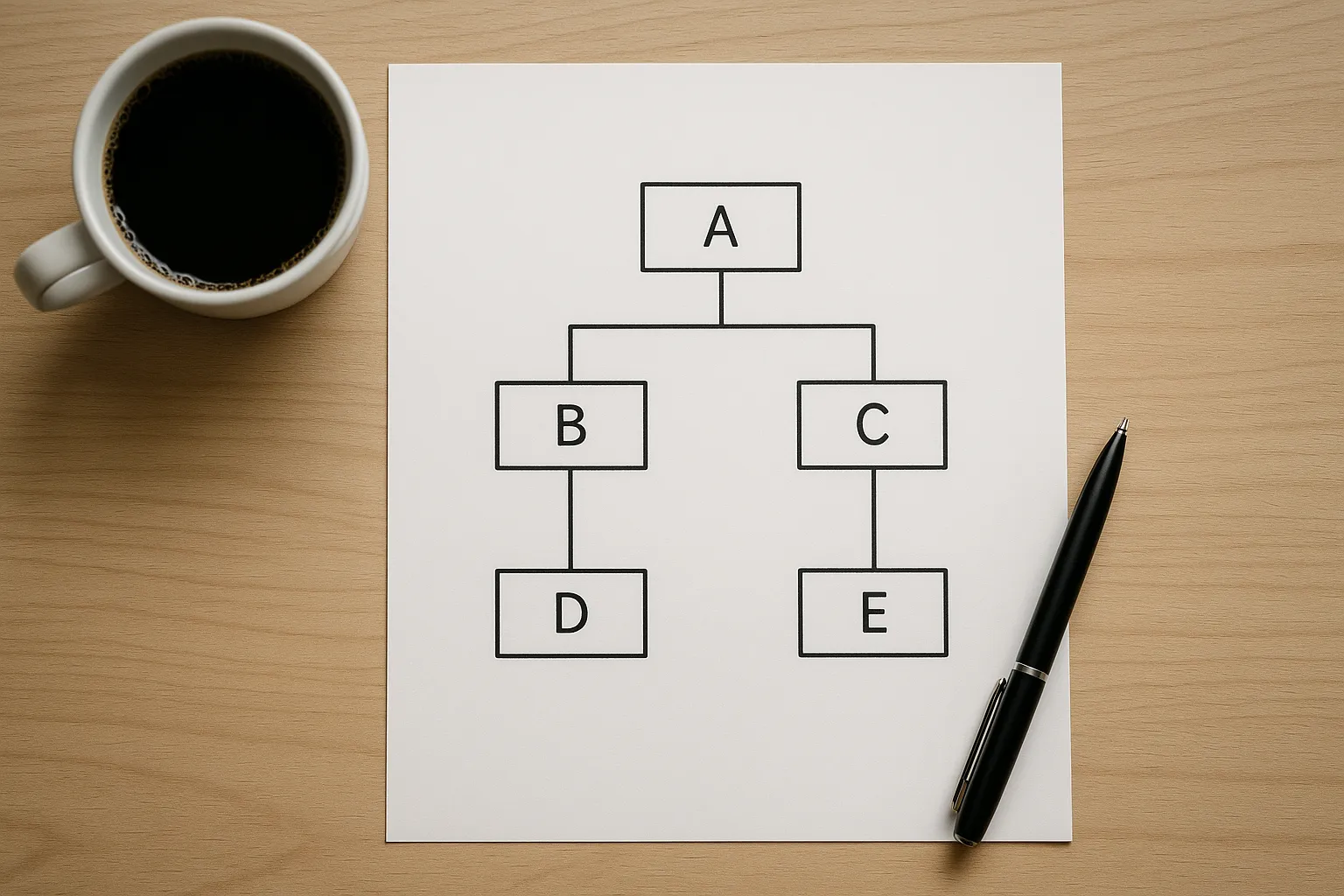
A regular old “coffee” isn’t a single item. It’s a product tree.
- Base drink (latte / cappuccino / Americano / cold brew / whatever)
- Size
- Hot/iced
- Milk type
- Syrups
- Sweeteners
- Extra shots
- Decaf / half-caf
- Whip / toppings / foam level (sometimes)
Even if you don’t customize, the system is designed for the people who do. So the cashier isn’t just ringing you up—they’re navigating a UI that’s trying to capture every possible variation. That’s why it feels like the simplest order still gets treated with the same gravity as a complicated one.
A menu that looks simple on the wall often isn’t simple in the software.
POS systems can be slow, and the slowness shows up in human behavior
Another thing you can feel from the other side of the counter: some billing systems are just laggy.
When a screen is slow to respond, the cashier has to:
- wait for the next menu to load,
- confirm modifiers one by one,
- back out and re-enter when something doesn’t map cleanly,
- double-check the item name because one wrong selection creates chaos downstream.
And once a cashier has been burned a few times (“Oops, wrong milk,” “Oops, wrong size,” “Oops, that didn’t go through”), they start acting like every tap is high-stakes. That’s when you get that intense, almost solemn typing posture.
It’s not that they’re trying to be slow. It’s that the system punishes speed.
The menu is optimized for branding, not for throughput
A lot of third wave coffee branding is about ritual and craft. Starbucks has its own version of this too—less “craft,” more “experience.” Either way, the ordering flow often feels designed to reinforce the idea that you’re not buying a beverage; you’re commissioning a product.
Even when you order something normal, the process quietly nudges you into making “choices.” Those choices are the point. They make the transaction feel premium and personalized, even if all you wanted was caffeine.
The irony is that the more a café tries to feel high-end at the counter, the more it can end up feeling inefficient.
Upsells and loyalty plumbing slow everything down
A big chunk of counter time isn’t about your drink at all. It’s about the layers added to the transaction:
- “Do you want to add something to eat?”
- “Are you a member?”
- “Do you want to use points?”
- “Any offer or coupon?”
- “Which payment method?”
- “Receipt?”
None of this is morally wrong. Businesses upsell; loyalty programs exist. But the cumulative effect is that a line of people ordering one item each becomes a line of people going through a mini flowchart.
And if the cashier is expected (explicitly or implicitly) to ask those questions every time, you get that slow, scripted vibe at the counter—because they’re not just taking your order, they’re completing a checklist.
New staff + complex UI = visible hesitation
Chains have turnover. People are new. Training takes time. And even a good worker looks slow when the tool is complicated.
A cashier who doesn’t have muscle memory for the POS will:
- search for items instead of selecting instantly,
- confirm things out loud to avoid mistakes,
- pause because the drink names are long and similar,
- check with a colleague if something doesn’t match what the customer said.
That “let me just check” moment repeats across every second customer, and the line crawls.
What makes this worse is that the café environment punishes mistakes more than it rewards speed. If you mess up someone’s order, they complain, you remake it, the bar gets backed up, the manager gets involved, everyone loses. So the safe move is slow, careful entry—especially for a new hire.
Food turns the “coffee counter” into a mixed-traffic intersection
A surprising amount of the slowdown at the counter comes from food. Not because heating a sandwich takes time (that happens after), but because food orders tend to introduce extra steps:
- variants (veg/non-veg, sauces, add-ons),
- availability checks (“Is that item in stock?”),
- warming instructions,
- coordination with a kitchen screen or a separate prep station.
When a single counter is trying to handle both “one black coffee” and “a heated meal with modifications,” the entire line moves at the pace of the most complicated order.
And you feel it most at the cash counter because that’s where complexity gets entered into the system.
Digital orders quietly compete with walk-ins
Even if you’re standing right there, the store might be juggling multiple streams: walk-in, delivery, and mobile/app orders. The cashier experience sometimes reflects that, because the system is managing priority and routing.
You’ll see small signs of this:
- staff checking screens behind the counter,
- a pause before confirming your order,
- the cashier seeming distracted even while typing,
- orders “hanging” because they need to be sent to the bar/kitchen queue.
Again: not a moral failure. Just a reality of modern chains. But it makes the counter feel like a traffic controller, not a cashier.
The result: you’re stuck watching someone “type seriously”
From the outside, it looks absurd. You’re thinking, How is this taking so long? It’s coffee. From their side, they’re thinking, If I miss one modifier, I create a mess for the barista and for the customer.
So the whole process becomes a weird theatre of seriousness:
- the cashier treats every order like it’s fragile,
- the POS demands precision,
- the brand wants personalization,
- upsells add friction,
- and the line pays the price.
What actually speeds it up (if you care enough to try)
If you’re the kind of person who just wants to get in and out, a few behaviors tend to reduce counter time—not because you’re gaming the system, but because you’re removing ambiguity.
- Order using the menu’s “default language.” Instead of improvising (“a light coffee with less milk”), pick a known item and adjust one thing.
- Cut the decision tree. Say the size and hot/iced immediately.
- Decline extras early. A quick “No add-ons, no food, that’s it” prevents the upsell loop.
- Pay in the fastest way available. Whatever is most frictionless at that store—tap, card, UPI—tends to keep things moving.
None of this fixes the underlying design, but it reduces the odds that your order becomes a small data-entry project.
Conclusion
The long pause at the cash counter isn’t just “people being slow.” It’s what happens when coffee ordering turns into a high-variance, highly-parameterized workflow running on a POS system that demands correctness. Starbucks and third wave chains built the ordering experience to handle endless customization and layered programs—loyalty, upsells, multi-channel orders—and the simplest customer ends up paying the same complexity tax as the most complicated one.