
Small Businesses Must Earn the Sale
Buying local should not require guilt or extra administrative work. Independent businesses thrive when distinctive products are paired with convenience, reliability and genuine customer value.
Posted by

Related reading
A vegan market forced Good Gut Hut to confront what matters on first contact: taste, clarity, and a simple pitch. The weekend didn’t make the brand bigger—it made it real.
Soul Sante and the Unromantic Truth of Founding
A market stall day became a lesson in founder reality: when plans fail, you do the work; when you sell face-to-face, you get clean truth; and when you build, you lean on a village. Humility and connectedness aren’t soft values—they’re operational foundations.
What a Market Stall Taught Me About Masculinity
I went to Soul Sante expecting to sell pickles. Instead, I found a version of masculinity that had nothing to do with dominance or income. Standing in front of the stall, absorbing rejection and generating attention, I discovered that clean usefulness feels better than status ever did.
Small Businesses Don’t Need Pity. They Need to Be Worth Buying From.
“Shop local” is usually presented as a moral responsibility.
Buy from the vegetable seller downstairs. Order from the home chef. Support the neighbourhood butcher. Choose the independent maker instead of the large company. Keep money circulating within the community.
The older generation believes strongly in this. And I understand why. There is something reassuring about knowing who made your food, where your vegetables came from, or which person will benefit from your purchase.
But the conversation often leaves out a basic fact: small businesses can be exhausting to buy from.
Five producers may mean five websites, five WhatsApp conversations, five payment methods, five delivery charges and five different schedules to remember. One person delivers only on Sunday morning. Another requires a pre-order by Wednesday. A third has a minimum order large enough to make the purchase impractical.
On a tired weekday, most people are not looking for another procurement project. They want to order their groceries at night and have them turn up the next morning.
That is not laziness or a lack of community spirit. It is a rational use of time.
Convenience Is a Real Product
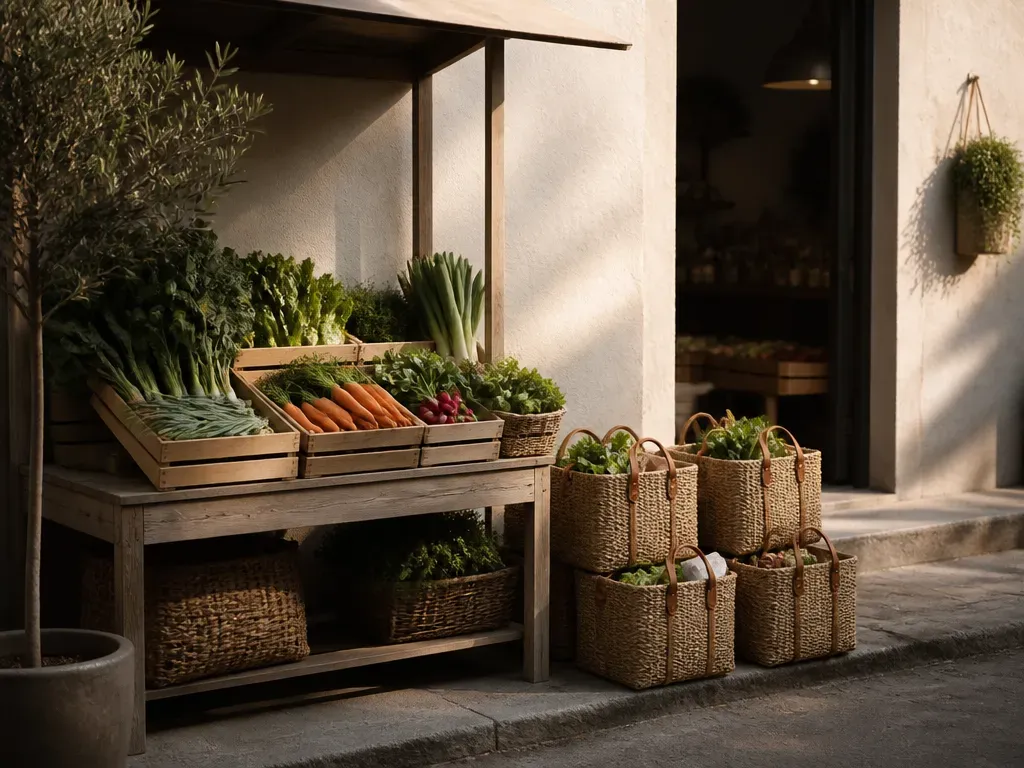
When I order from quick commerce apps, I am not merely buying vegetables and detergent. I am also buying:
- one searchable catalogue;
- predictable availability;
- one cart and one payment;
- a dependable delivery window;
- customer support if something goes wrong;
- freedom from coordinating with multiple sellers.
The hidden product is reduced mental labour.
I will happily pay ₹20 to have something delivered rather than wear my shoes, go downstairs and arrange my day around a shop’s opening hours. I work from home, and I still prefer creating reliable systems for groceries, deliveries and even ironing. For two people working full-time, the need for these systems is even greater.
Large businesses are not morally inferior merely because they are large. They solve genuine problems. They also create jobs, including jobs that may be more dependable than employment at an informal neighbourhood shop.
So the claim that buying from a large company somehow fails to “support the economy” has never made complete sense to me. It supports an economy too. The more useful question is what kind of marketplace we want to preserve alongside it.
Farm Fresh Can Still Be Inconvenient
Someone who lives nearby posts a weekly list of produce from her farm in a community WhatsApp group. Customers pre-order and collect it on Sunday.
I have bought from her a few times. Her prices are reasonable, and the produce is fresh. But some of it arrives covered in so much soil that I do not have the patience to clean it. My cook is not going to sit and scrub mud off carrots, and I often do not have the mind space to do it either.
Maybe farm produce naturally comes with soil. Fine. But “farm fresh” does not make the labour disappear. It transfers that labour to the customer.
Freshness, cleanliness and convenience are separate forms of value. A farmer can sell unwashed carrots to customers who are happy to clean them. She could perhaps also sell washed carrots at a higher price. Neither option is morally superior, but they serve different lives.
The same applies to collection schedules. If I am unavailable that Sunday—or simply feeling lazy—the entire system breaks for me. A product can be affordable in money and still be expensive in time.
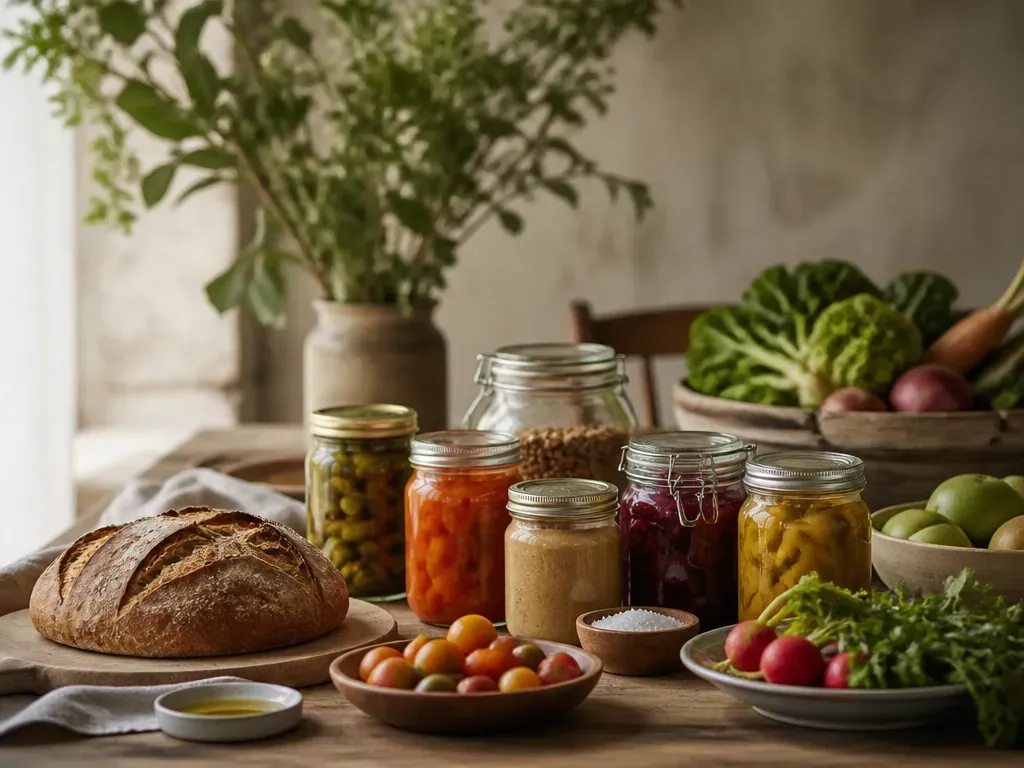
Small businesses do not get an exemption from usefulness.
“Local” Is Not Always Downstairs
The phrase “shop local” also assumes that everyone still has a functional neighbourhood market.
Many people do not.
In large apartment complexes populated by working couples, there may be barely any useful shops within walking distance. People still want fresh food, variety and healthier options, but their real marketplace is a combination of grocery apps, delivery services and residential WhatsApp groups.
That is partly why WhatsApp commerce has become so common in upmarket societies. A farmer, baker, mango seller, home chef or small-batch food business can reach hundreds of households through one group.
The appeal is not purely ethical. It is curated access.
Someone is bringing a product into a trusted social space and, ideally, delivering it through the gate. Customers discover something beyond what the three largest apps happen to show them.
But even WhatsApp commerce has limits. It stops feeling special when every seller has a separate order form, deadline, payment instruction and delivery fee. It turns shopping into administrative work.
The most useful system would consolidate the inconvenience without consolidating the production: one weekly catalogue, one payment, one delivery window, and products from several independent makers.
The farmer can remain a farmer. The fermenter can continue making small batches. The baker does not have to become a logistics company. Customers get variety without managing six separate conversations.
Small-Batch Is a Value Proposition, Not a Sob Story
This matters to me because I run a small-batch food business.
I never want the pitch to be: poor us, we are small, please support us.
Small-batch should mean that close attention goes into every bottle. It should allow us to make fresh, seasonal or distinctive products that mass production might flatten, standardise or abandon. The customer should be able to taste or experience the difference.
It cannot merely mean that we have lower capacity and are harder to order from.
Making a large batch of kanji, for example, creates immediate operational questions. A 20-litre batch could require several people chopping vegetables. Scaling production may also force compromises on freshness. But the customer cannot be expected to absorb all the resulting inconvenience simply because our constraints are real.
The product still has to stand out. Then access has to become as predictable as possible: a scheduled office delivery, an apartment pickup, a regular retail shelf or a recurring neighbourhood basket.
Distinctiveness may create the first purchase. Routine creates the business.
Look at the Work, Not the Struggle
A friend of mine crochets beautiful, functional pieces. She is also a trainer and an art therapist. Someone recently described her work as “better than sitting at home.”
It is such a stupid, diminishing thing to say.
Her work is not valuable because it keeps her occupied. It is valuable because she can make something specific, thoughtful and customisable. A customer can discuss materials, dimensions and function with the person actually making the object. Most large companies will not offer that level of attention to an individual buyer.
Reducing this to “supporting a woman doing something from home” erases the skill and the product.
The same thing happens when every small business is marketed through struggle. The maker becomes a charity case rather than a professional offering something worth paying for.
Pity is not a durable sales strategy. Value is.
A More Plural Marketplace
The best argument for independent businesses is not that large companies are evil. It is that a world controlled by a few platforms becomes terribly narrow.
Platforms naturally favour products that can be standardised, stored, shipped, ranked and sold at scale. Independent makers preserve what falls outside that system:
- regional flavours;
- seasonal products;
- unusual formats;
- specialised skills;
- customisation;
- small experiments;
- products too niche for a large company to consider worthwhile.
Not every small business is good, just as not every local product is ethical, clean or useful. But the existence of many kinds of producers makes the market richer.
So I do not want “shop local” to mean buying an inferior product out of guilt. I want it to mean looking beyond the default feed and noticing how much more exists.
Variety Without Martyrdom
Consumers should remain open to discovery. Small businesses should make products that justify the extra attention and remove as much friction as they can. Communities and marketplaces should build systems that make independent products easier to find, order and receive.
Convenience gives us what is easiest to distribute. Small producers can give us what might otherwise never exist. The goal is not to choose one world over the other, but to make room for both—without turning shopping into either a moral performance or a full-time job.